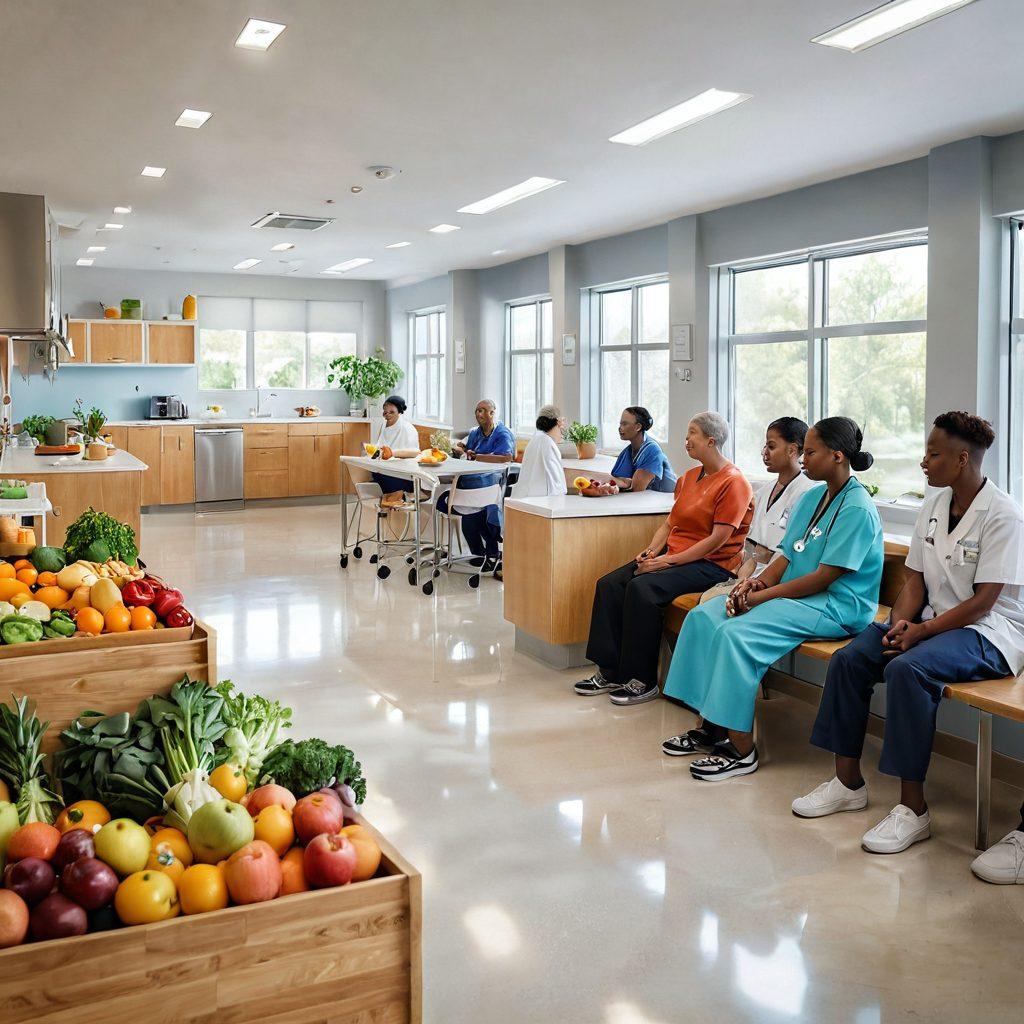
Empowering Cancer Care: The Latest in Oncology Research and Holistic Wellness Tips
In the ever-evolving landscape of healthcare, oncology research stands at the forefront, heralding breakthroughs that promise to transform cancer care as we know it. When discussing cancer treatment options, it's crucial to stay informed about the latest oncology news, as these advancements can significantly impact patient outcomes and quality of life. Imagine a world where the phrase 'you have cancer' doesn't evoke fear, but a sense of hope and empowerment through informed choices. This is the reality that ongoing research strives to create, bridging the gap between cutting-edge science and practical, compassionate patient support.
Recent studies have revealed remarkable progress in areas such as immunotherapy and palliative care, leading to improved cancer survivorship rates. These developments are not just statistics; they represent real people and their journeys. For instance, consider the story of Karen, a 52-year-old mother diagnosed with stage three breast cancer. Thanks to clinical trials exploring innovative therapies, she's now entering the realm of survivors, with hope fueled by emerging strategies and robust support groups for cancer. What does this tell us? It highlights the importance of staying connected to both ongoing research and the community, for knowledge and support can be as powerful as any treatment.
Cancer education plays a vital role in prevention strategies and disease management. But what happens when the treatment process changes? With advancements in alternative therapies and holistic health practices, oncologists are now recommending lifestyle modifications and nutrition for cancer patients that align with traditional treatments. The integration of wellness tips—such as stress-reduction techniques, dietary adjustments, and regular exercise—helps foster resilience and emotional well-being. How often do we think about the role of nutrition and mental health in cancer care? It’s time to embrace a holistic view of treatment, recognizing that each patient is unique and requires personalized care.
Moreover, the dialogue around cancer care is shifting. Patients are encouraged to play an active role in their treatment journey. It’s not just about adhering to prescribed therapies or attending cancer screenings anymore; it’s about empowerment through knowledge. Engaging with cancer awareness initiatives allows patients to explore the latest research that might influence their choices. Are we taking full advantage of the tools available today? Joining support groups for cancer can provide not just emotional guidance, but also practical advice based on the collective experiences of fellow cancer patients and survivors. Each story shared casts light on an otherwise daunting path, reminding us that we are not alone.
In conclusion, diving deep into oncology research opens a treasure trove of possibilities. The breakthroughs—whether in clinical trials exploring immunotherapy or advancements in palliative care—are creating ripples of hope that resonate well beyond the clinical setting. By combining scientific innovation with holistic wellness tips and robust patient support, we can strive towards a future where cancer becomes a chapter in one’s life story rather than the end of it. How will you transform your understanding of cancer care today? Let’s shape a compassionate, informed community that thrives on knowledge and support!
Holistic Approaches to Cancer: Integrating Wellness Tips for Optimal Health and Survivorship
In the realm of cancer care, the conversation is changing. Gone are the days when a cancer diagnosis equated to a single pathway of treatment. Today, with the latest oncology research at our fingertips, we're embracing a holistic approach to cancer management that integrates wellness tips with traditional oncology practices. Whether you're a patient, caregiver, or simply someone interested in cancer awareness, exploring these multifaceted strategies can pave the way for optimal health and survivorship. What if the key to thriving in the face of adversity lies not just in the medicine we take, but in the lifestyle choices we make?
Holistic health, a term that might seem nebulous, encompasses a multitude of elements including nutrition for cancer patients, mental health in cancer care, and lifestyle modifications. Imagine a cancer patient who doesn't just rely on chemotherapy or immunotherapy; instead, they also focus on nourishing their body with wholesome foods, engage in stress-reducing mindfulness practices, and seek out support groups for cancer. These holistic approaches don’t just enhance the effectiveness of traditional cancer treatment options; they foster resilience and empower individuals on their journey. As one cancer survivor remarked, 'Each day was a choice to live fully, not just exist with cancer.'
Nutrition for cancer patients is more than just about eating well; it plays a pivotal role in disease management and can help bolster the body during treatment. Specific foods can power up your immune system, while others may improve fatigue or manage pain. Incorporating more plant-based foods, lean proteins, and healthy fats can provide the body with the essential nutrients needed for recovery. Moreover, cancer education has never been more accessible. There are numerous health blogs and resources dedicated to teaching patients about the best dietary practices that support their treatment schedules. Have you considered how your next meal could be a step toward your healing?
Moreover, the importance of mental health in cancer care cannot be overstated. Facing a cancer diagnosis can lead to emotional turmoil, but it can also forge unexpected connections. Support groups for cancer are an invaluable resource, creating a space where individuals can share their stories, joys, and sorrows. Clinical trials increasingly recognize the need for incorporating psychological support into treatment regimens. After all, a healthy mind and soul can significantly enhance the path to cancer survivorship. How powerful it is to know that by nurturing your mental well-being, you are adding layers to your healing process!
Finally, as we explore alternative therapies, palliative care, and prevention strategies, it’s essential to remember that no single approach works for everyone. Each person's journey through cancer is unique, and so are their needs and preferences. Always consult with your oncologist when considering any complementary treatments or modifications to your lifestyle. Together, let's champion the cause of holistic health in cancer care, ensuring that patients feel empowered, supported, and most importantly, heard. What small wellness tip will you implement today to take charge of your health?
Navigating Cancer Treatment: From Cutting-Edge Therapies to Supportive Nutrition and Mental Health Strategies
Navigating the tumultuous waters of cancer treatment can feel overwhelming, like trying to find your way through a dense fog. Every year, millions of individuals face the daunting diagnosis of cancer, and with it comes a whirlwind of information: oncology news, potential cancer treatment options, and myriad emotional and physical challenges. But here’s the silver lining: the field of oncology is evolving rapidly, and so is our understanding of holistic health and wellness tips that can support patients throughout their journey. How do we decode this vast landscape to find the best path forward?
As we explore the latest in oncology research, it’s evident that empowering patients with knowledge is critical for effective disease management. Take, for example, the groundbreaking advances in immunotherapy and clinical trials. These cutting-edge therapies are changing the game for many cancer patients by harnessing the body’s own immune system to fight cancer cells. Imagine being able to turn your body into a fortress against disease—wouldn’t that be a powerful weapon in your fight? With cancer awareness at an all-time high, it’s essential for patients to discuss these innovative treatment options with their oncologist, ensuring they are informed about all possible avenues of care.
Of course, understanding treatment options is only part of the equation. Mental health in cancer care plays a significant role in a patient's overall well-being. Research shows that emotional support can dramatically influence treatment outcomes. This is where support groups for cancer come into play. Engaging with others who are navigating similar experiences can lift the heavy weights off one’s shoulders. As author and cancer survivor John McCain once said, 'Life is not about how hard you hit but how hard you can get hit and keep moving forward.' Are you ready to find the strength to move forward?
Nutrition for cancer patients is another critical element in this holistic wellness journey. It’s not just about consuming kale and quinoa; it’s about fueling your body with the right nutrients that can enhance recovery and resilience. Holistic wellness tips such as incorporating more whole foods, reducing processed sugars, and opting for natural remedies can play a significant role in enhancing your body’s defenses. In fact, evidence suggests certain diet modifications can mitigate treatment side effects. The question becomes, how can we make these changes feel not like a chore, but a path to vibrant living?
Lastly, cancer survivorship extends far beyond treatment—it’s about creating a new lifestyle. With an array of prevention strategies, lifestyle modifications, and palliative care approaches available today, individuals can redefine what it means to live fully after cancer. Engaging in social activities, embarking on a fitness journey, or even simply savoring the moment can help transform a cancer diagnosis into a springboard for growth. Cancer education does not end at diagnosis; it’s a lifelong endeavor. As we continue to learn and adapt, let’s embrace every moment, not just the milestones. After all, life is a precious gift, and living well is the best form of resistance against any disease.
In conclusion, navigating cancer treatment requires a multifaceted approach, embracing the symbiotic relationship between cutting-edge therapies and supportive holistic wellness. By staying informed through reliable healthcare resources and engaging with oncology research, patients can wield the power of knowledge in their fight against cancer. It’s about building a community, engaging in cancer education, and evolving as individuals. Remember, each small step in this journey—whether it's exploring alternative therapies, seeking patient support, or advocating for personal wellness—is a testament to resilience and hope. So, how will you take the next step on your cancer journey?